Transforming discarded textiles into meaningful products. A student-led movement for a circular future.
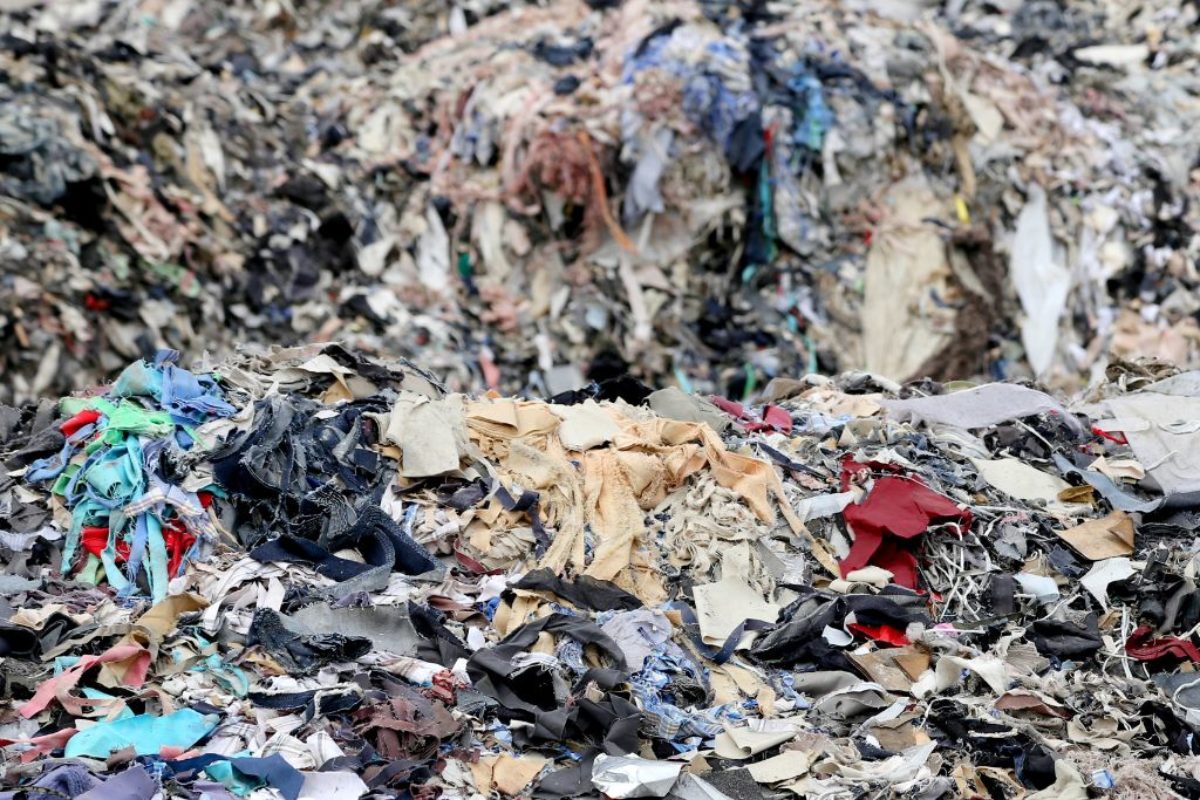
Explore Our JourneyThe fashion industry alone accounts for 10% of global carbon emissions. Discarded fabrics pile up in landfills while communities lack basic resources. This isn't a future problem — it's happening now. And the solution already exists in the waste itself.
tonnes of waste yearly
ends in landfills
value lost annually
Sourcing high-quality textile waste from industrial partners and recycling units like MuddleArt.
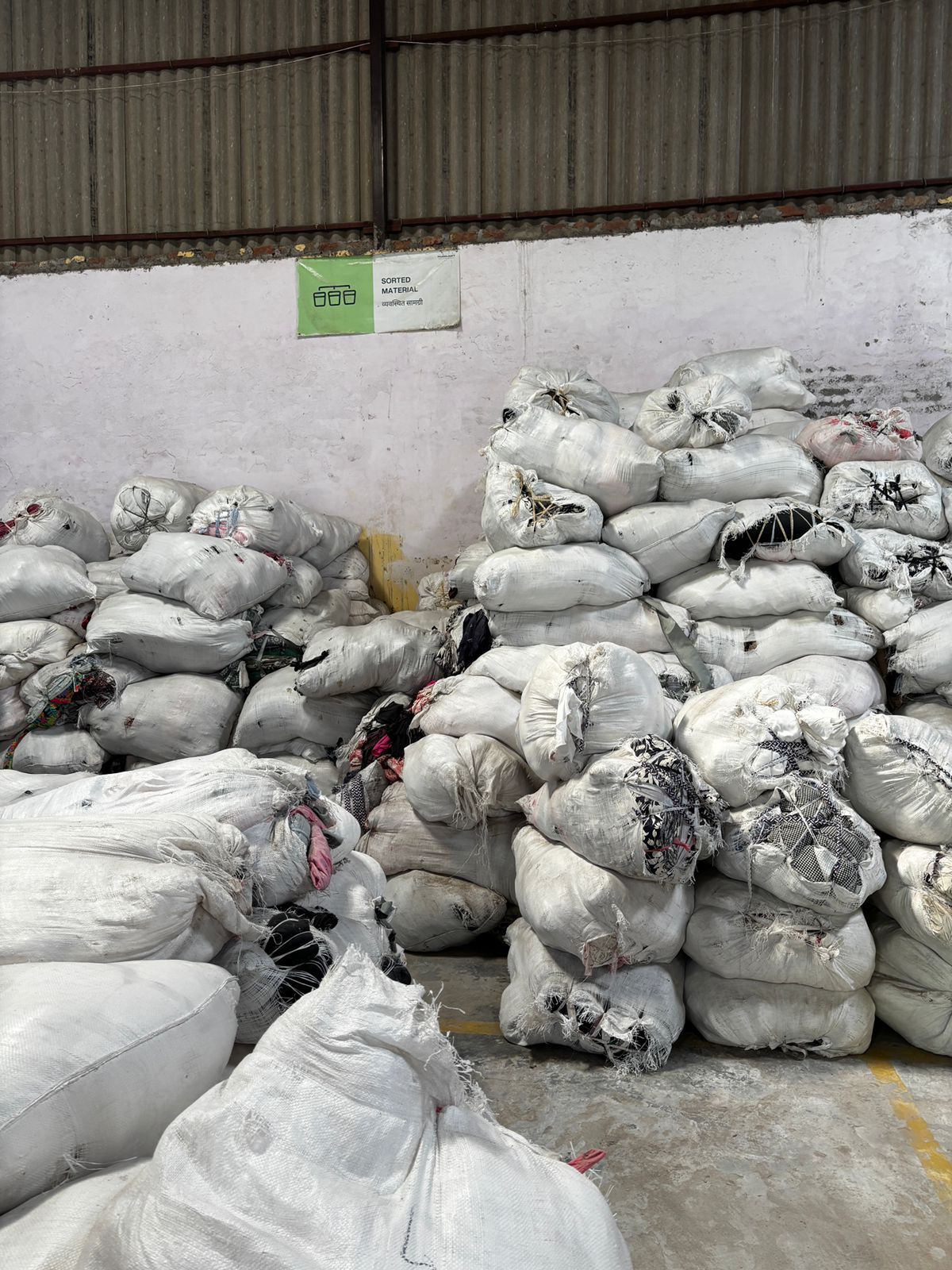
Categorising waste based on material type and condition to find suitable materials needed for the development of new products.
Creating innovative products from the segregated materials to help in society and contribute to a circular economy such as dog beds made out of felt.
Distributing the recycled products to animal shelters and non-profit organisations.
Creating real value for both the environment and the community — products you can see, touch, and feel.
To build a strong foundation for our initiative, we visited the textile recycling unit operated by MuddleArt to observe their processes and workflow. This experience allowed us to understand how textile waste is collected, sorted, and processed into reusable materials, giving us a clearer picture of the lifecycle of discarded fabrics.
Our journey progressed through a collaborative session with students from Yale University, where we engaged with diverse perspectives to explore solutions in textile sustainability. This interaction helped us identify gaps in current systems and think critically about how waste can be transformed into meaningful products.
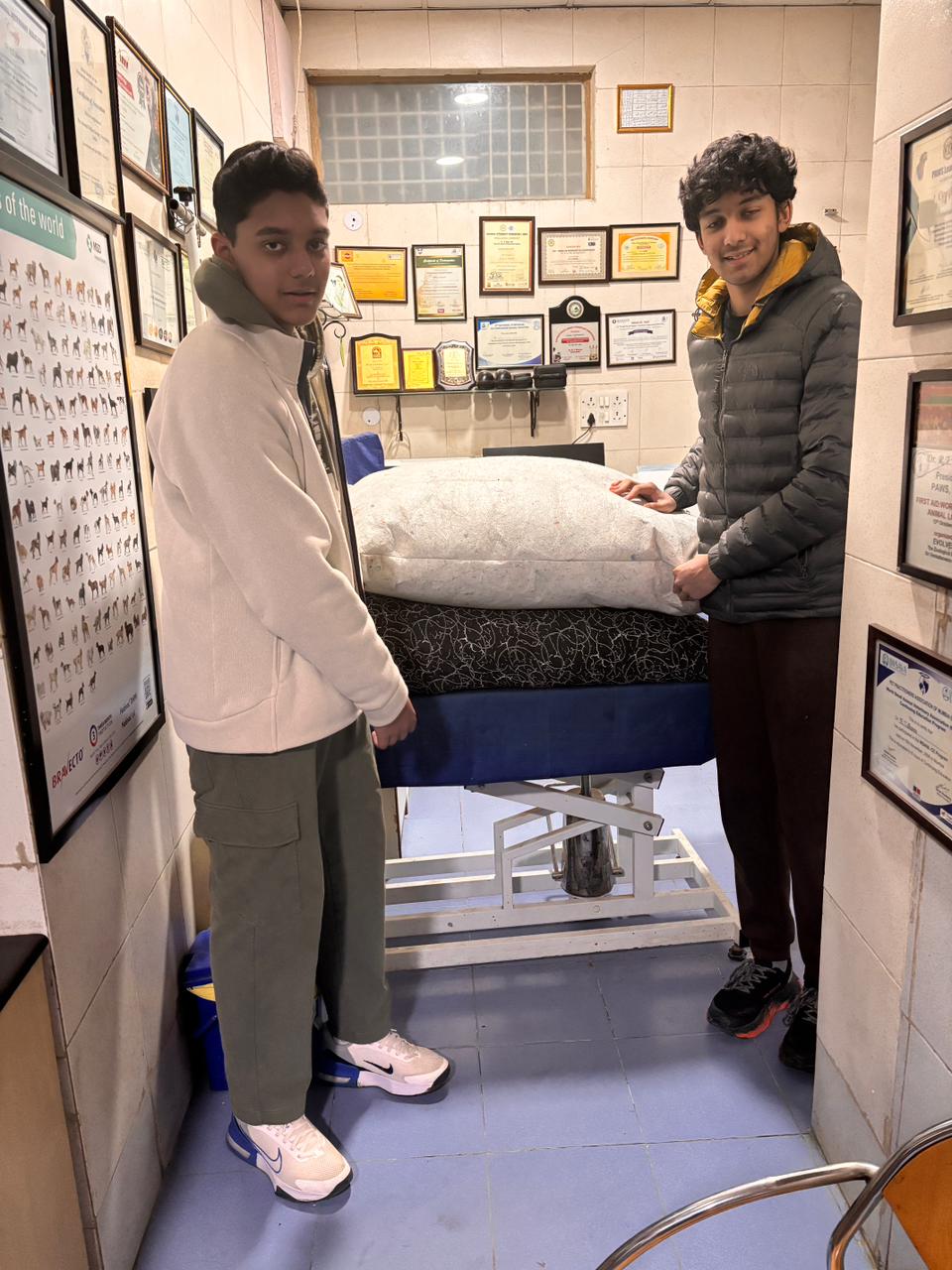
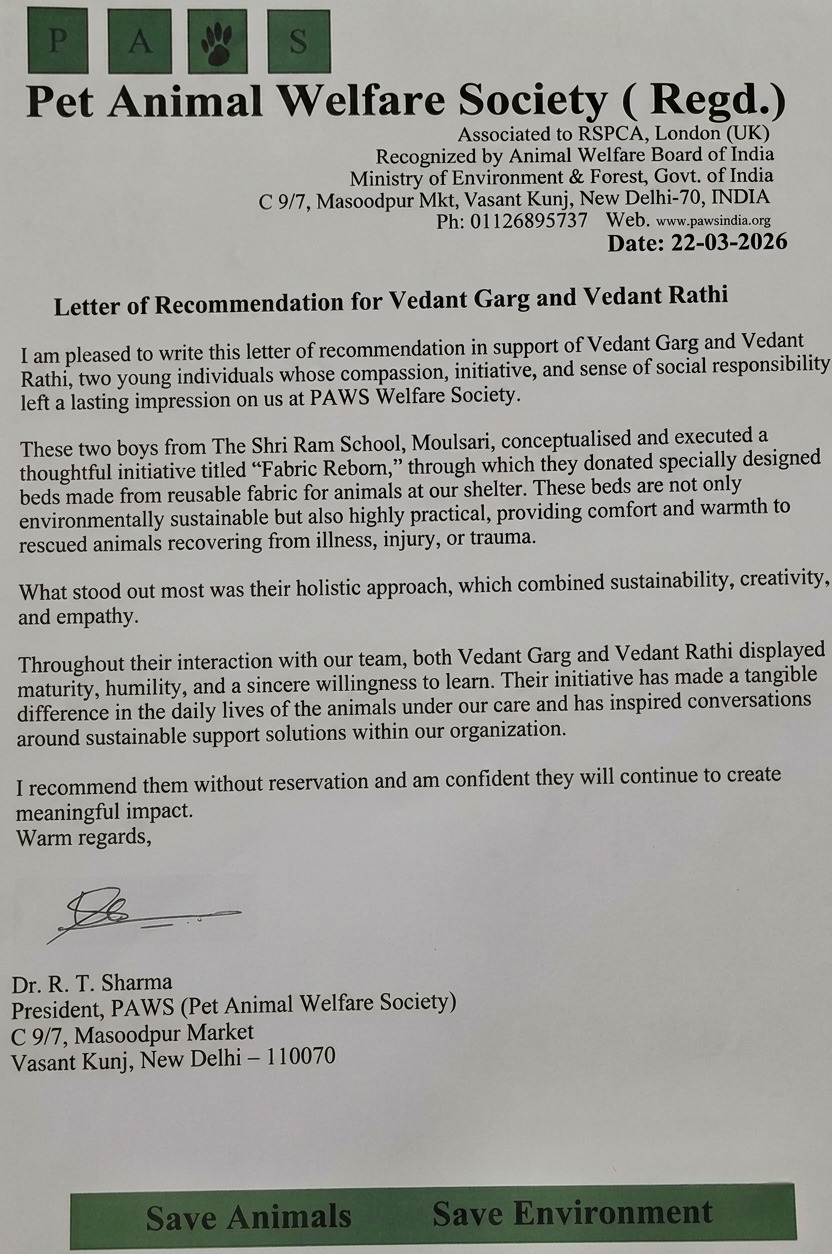
Using recycled textile waste, we designed and created dog beds that prioritize comfort, durability, and sustainability. We then visited a local animal shelter to distribute these beds, where they provide warmth and support to animals in need.
Our journey is just beginning. We are committed to evolving Fabric Reborn into a global standard for textile upcycling.
Optimizing our workflow to process larger volumes of textile waste and increase our output capacity.
Developing sustainable clothing lines and accessories that combine eco-consciousness with modern design.
Building a larger, community-driven ecosystem that connects waste generators with sustainable creators.
"Passionate about circular economy and sustainable product design."
"Focused on social impact and community-driven sustainability systems."